Skip to content
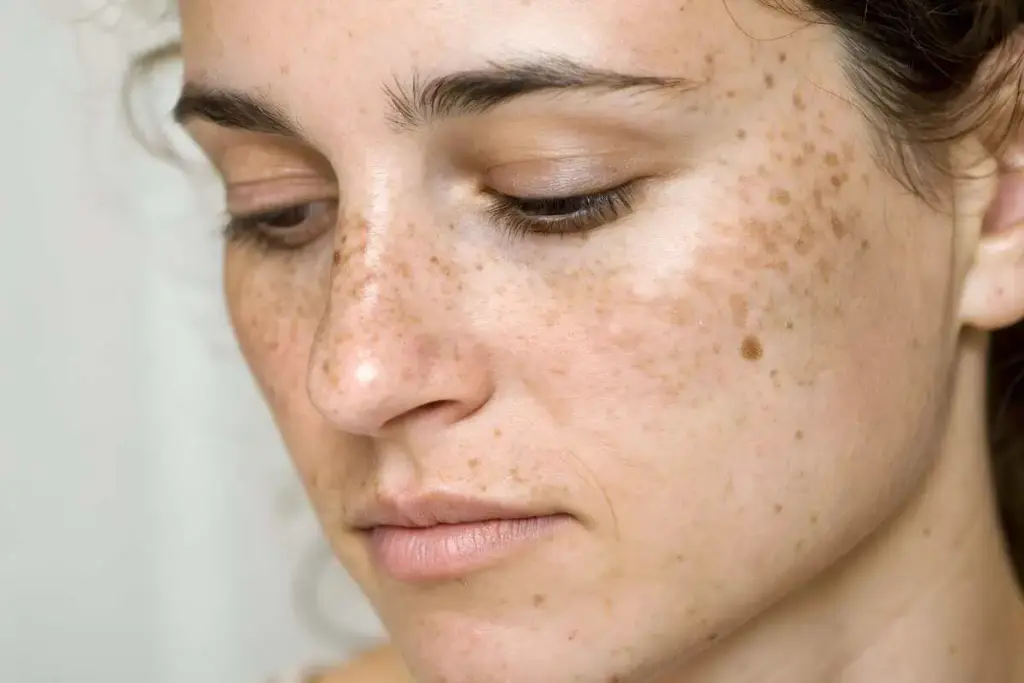
Table of Contents
If you have spent months trying to fade discoloration and nothing seems to work, the problem might not be your effort. It might be that you are treating the wrong thing. Melasma vs hyperpigmentation at Pretty Please Aesthetics is one of the most common mix-ups in skincare, and getting it right changes everything about what will actually help.
What Are the Treatments for Melasma and Hyperpigmentation?
Treatments for melasma include prescription topicals, chemical peels, brightening serums, and daily SPF, while sun spots and post-acne marks may also respond to laser. The right approach depends on your skin type and skin tone, so a provider’s assessment ensures safe, effective, and personalized care.
Hyperpigmentation and Melasma Are Not the Same Thing
Hyperpigmentation is any patch of skin that turns darker than the skin around it. It happens when your body produces excess melanin, the pigment that gives skin its color. That is the whole category, and a lot lives inside it.
Melasma is one subtype of hyperpigmentation, not a separate condition, which is exactly why the two names get tangled together. So when you compare Melasma vs hyperpigmentation, you are really comparing one specific member of the family against the family as a whole.
A few other common types are worth naming because they behave differently. Post-inflammatory hyperpigmentation is the mark left behind after a breakout or injury heals. Sun Spots are flat, freckle-like spots that develop after years of UV exposure. Both of these are targets of Skin Discoloration Treatment, and both respond differently from melasma.
This matters more than it might seem. Treating melasma as if it were a sun spot is one of the most common and frustrating mistakes people make, and it can leave you further from clear skin than when you started.
How to Tell Which One You Have
Melasma has a recognizable pattern. It usually shows up as larger, symmetrical patches, often spread across the cheeks, forehead, upper lip, and the bridge of the nose. If both sides of your face look mirrored in their Uneven Skin Tone, melasma is a strong possibility.
Post-acne marks and Dark Spots tend to look different. They are usually more defined and localized, tied to a specific past breakout or a particular stretch of sun exposure rather than spread symmetrically across the face.
The triggers separate them too. Melasma is closely linked to hormones, which is why it often appears during pregnancy or after starting birth control, and it flares with heat and light. Other hyperpigmentation usually traces back to skin injury or accumulated UV damage.
That said, self-diagnosis is a starting point, not the final word. A provider can confirm the type, sometimes with a closer look under specialized lighting that shows how deep the pigment sits. That single detail often shapes the entire treatment plan.
Why the Difference Changes Everything About Treatment
Once you know what you are dealing with, the reason the distinction matters becomes clear. Melasma is chronic and prone to recurrence, so the realistic goal is to manage and soften it rather than erase it forever. That reframe is not discouraging; it is what keeps expectations realistic and results steady.
Melasma is also heat- and light-sensitive. Aggressive treatments that seem powerful can actually backfire and make it darker. Other forms of hyperpigmentation are usually more forgiving and respond more predictably to stronger approaches that melasma simply cannot tolerate.
This is where patience earns its place. With most skin concerns, results vary from person to person, and melasma requires more patience than almost any other. Knowing that upfront protects you from chasing a quick fix that sets you back.
Treatments That Tend to Work for Melasma
Effective Melasma Treatment leans gentle and consistent rather than fast and forceful. For most patients, the foundation looks like:
- Prescription topicals that gradually calm pigment production
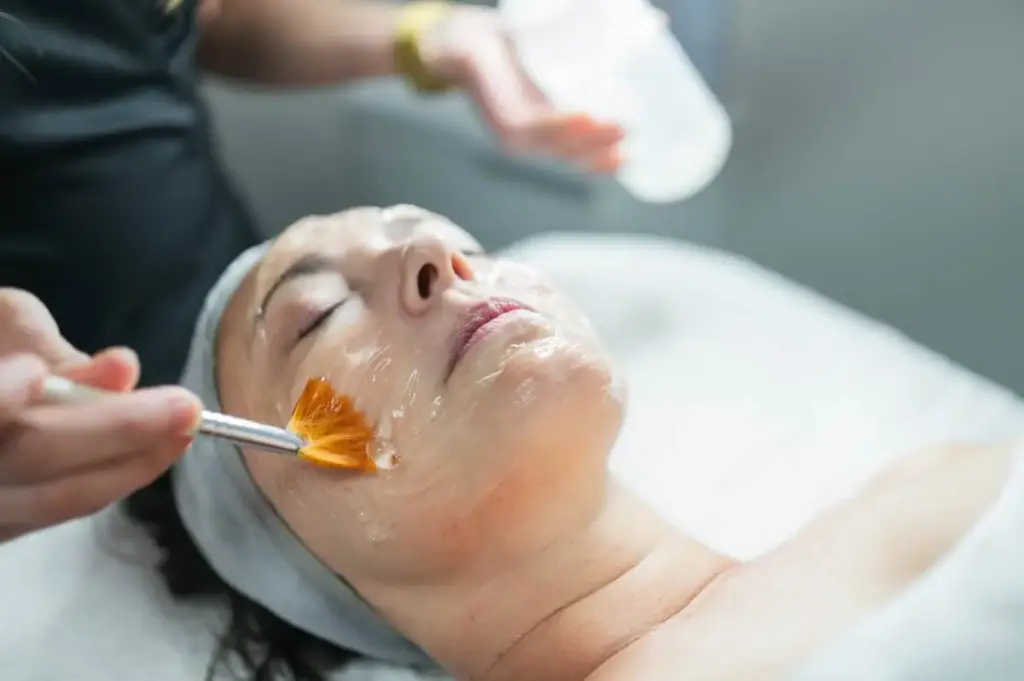
- Conservative chemical peels are chosen carefully for melasma-prone skin
- Diligent daily SPF, which is truly non-negotiable
Some in-office options can help when selected with a light hand, but the guiding principle is gradual and cautious rather than strong and quick. It also helps to accept that melasma management is ongoing.
Maintenance is part of the plan, not a sign that something failed. Patients seeking Melasma Treatment in Sacramento, CA, or melasma treatment in Roseville, CA, do best with a routine built for the long game.
Treatments That Tend to Work for Other Hyperpigmentation
Post-inflammatory marks and sun spots give you more room to work with. Targeted Hyperpigmentation Treatment for these often includes options like certain lasers, IPL, chemical peels, and brightening topicals, all aimed at breaking up pigment and evening things out.
These approaches can act faster than melasma care, though even here the timeline runs in weeks to months, not days. Pigmentation Removal is a process, not an overnight event.
One important note on safety. Not every laser or light-based treatment is right for every complexion. A provider uses the Fitzpatrick skin type scale, a way of classifying how your skin responds to light, to match the safest and most effective approach to your specific skin.
This is a key reason professional guidance beats guessing, and why Hyperpigmentation Treatment in Sacramento, CA, and Hyperpigmentation Treatment in Roseville, CA should always start with an assessment.
What a Realistic Timeline and Outcome Looks Like
Most patients see gradual improvement over a series of weeks to months. Fading happens in layers, not in a single dramatic reveal, and that steady pace is a good sign, not a slow one.
Melasma can return with sun exposure, heat, or hormonal shifts, so keeping that possibility in mind helps you stay ahead of it rather than feeling blindsided. The most reliable results for any kind of Skin Discoloration Treatment come from a plan built around the correct diagnosis, rather than a one-size-fits-all product grabbed off the shelf.
Common Questions About Melasma and Hyperpigmentation
- Can melasma be cured? Not exactly. Melasma is managed and softened, not permanently cured. With the right plan and consistent care, most patients see meaningful improvement that they can maintain over time.
- Will my dark spots come back? They can, especially without sun protection. Sun spots and post-acne marks often fade with good habits, while melasma is more likely to return with heat, sun exposure, or hormonal changes.
- Is sunscreen really that important? Yes, more than any product. UV and heat drive most pigment problems, so daily SPF protects your progress and keeps discoloration from deepening.
- Can I treat this at home, or do I need a provider? Home care helps, but a provider at Pretty Please Aesthetics can confirm the type and tailor treatment safely, which makes a real difference for stubborn or symmetrical Uneven Skin Tone.
Glow Up Your Skin
Pretty Please Aesthetics helps patients in Sacramento and Roseville understand their skin and find care that fits it. Schedule a consultation today to discover the best treatment options for melasma, hyperpigmentation, and uneven skin tone.